

Mandar P
About Mandar P
Posts by Mandar P:
Gulf Precast At Pci’s 1St International Symposium
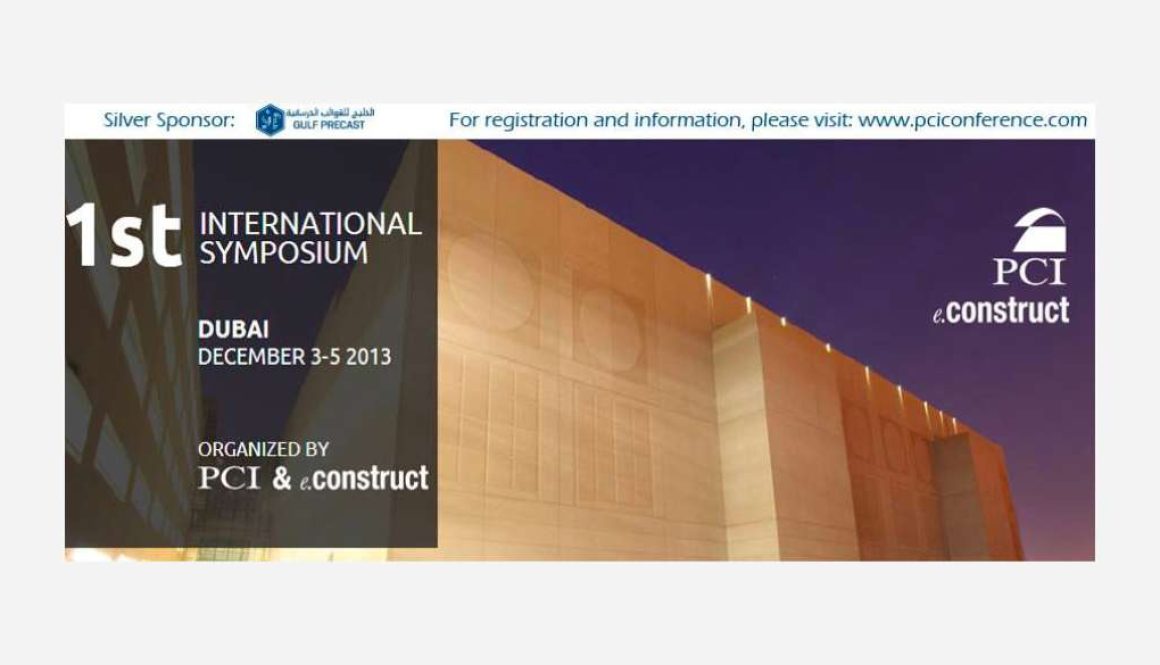
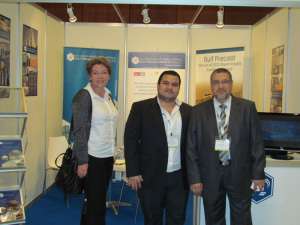
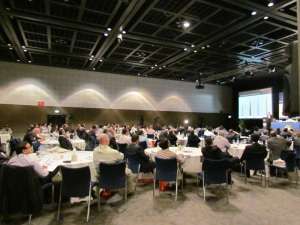
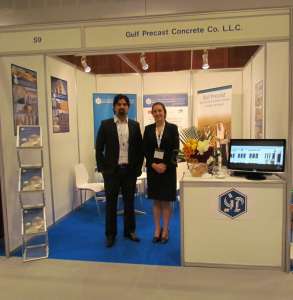
Precast/Prestressed Concrete Institute, USA (PCI) hosted its first International Symposium on Precast Concrete at Dubai World Trade Center on December 3-5 2013.
Gulf Precast was among one of the sponsors for the event and also setup an exhibition stand. The symposium featured world-renowned speakers who discussed some major topics in Precast Concrete Industry. The symposium also included two training seminars about Precast Concrete Quality Control and Structural design of Precast Concrete. The symposium was attended by Dr. Daniele Pfeffer, Mr. Walid Tarnani, Mr. Mohamad Abdul Wahid, Mr. Omar Araim, Mr. Mohammed Samara, Mr. Mohammed Rafiey, Mr. Faizan Jahangir and Ms. Noor Araim.
Precast Finance Dilemma
Why the construction industry must look after its precast sub contractors.
The cost of a building structure often reaches up to 30 to 40% of the overall construction cost. Precast is a worldwide recognised option used in many types of developments and the UAE is a recongised leader, but these firms are at risk.
Precast construction uses concrete elements manufactured in a factory and assembled on the construction site. The critical advantages of such construction technique are well documented: cost saving, improved quality, safety and sustainability, reduced construction time, etc.
However, one of the advantages of this construction technology is less well-known: it shifts a large part of the financing burden from the main contractor (MC) to the specialised precast contractor (PCC).
Traditionally, the first progress payment is due to the PCC after 60 to 90 days from certification of its site construction works.
However, the PC manufacturer incurs substantial costs prior to this first progress payment, largely exceeding the advance payment amount: The engineering costs related to designing the development’s concept design, securing its approval as well as drafting the shop drawings; the cost of material procurement necessary for the manufacturing process; The plant operating costs; the site delivery costs to shift the PC elements from the manufacturing plants to the construction site; and the site assembly costs.
The specialised PCC has to use his own financing until the payments on progress billing can start.
It is to be noted that a cast-in-place contractor benefits from a much shorter mobilisation period, able to start progress billing to the main contractor almost immediately after design completion, as the plant manufacturing and delivery processes are not required.
Thus, by selecting a PC technology, the MC not only shortens the overall duration on the construction period, but also delays the payments related to the civil works which positively affect his own cash management.
With the constriction in the UAE construction sector over the past few years, the profit margin of the PCCs has substantially shrunk, and is often much below the 5 to 10% retention applied on most developments.
The PC has to provide a performance bond and the retention percentage is retained by the MC on all progress payments and released one year after project completion. Thus, with a profit margin below the retention, the PCC operates on negative cash flow during construction, only recovering costs and profit one year after project completion.
As MCs are also struggling with high competition and a reduced profit margin, they tend to delay the payments dues to the PCC rendering his cash flow difficulties even more compelling.
Difficulties to secure his last payments and retention amount are also frequent, as the MC does not require the PCC’s services any longer at that point in time. The timely payment of these dues is mandatory for the survival of the specialised contractor.
In order to preserve the ability of the UAE construction Industry to opt for the precast technology and its recognised advantages for the developers, the main contractors and more importantly the final users, it is therefore critical for the MCs to respect their contractual obligations, and for the developers to ensure that they do so.
The prompt support of the UAE governmental authorities to enforce contractual obligations is an absolute necessity when this is not the case, as the PCCs cannot extend for long his already lengthy cash-deficit situation without endangering his organisation.
Over the years, the quality and sustainability of construction developments in the UAE has increased drastically, and the local PCCs are major contributors to these national efforts to place the country.
They are currently at risk, and it is important to take their difficulties into consideration and assist them, in order to preserve a national expertise we are proud of.
by
Dr. Daniele Pfeffer, COO Gulf Precast

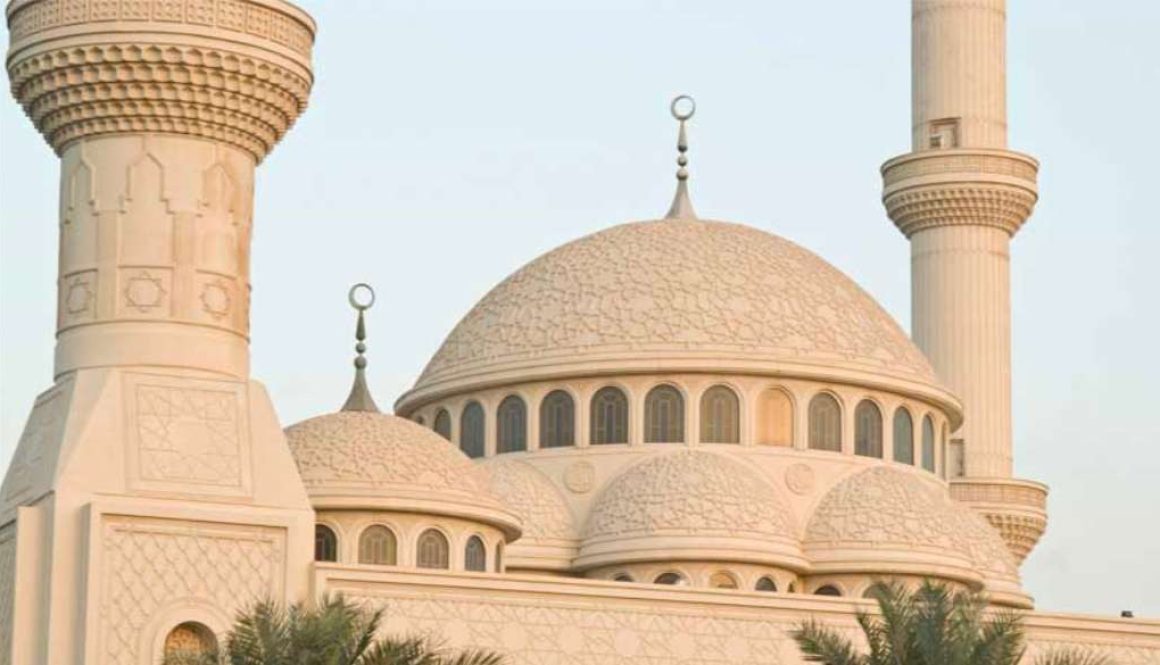
Making Domes
Precast concrete domes are widely used as an architectural feature that enhances the majesty of an edifice as well as its oriental heritage. Over the years, Gulf Precast has constructed more than 150 domes using a variety of techniques, the latest of them being double-skinned insulated structures. This article reviews precast dome production and construction techniques, as well as the quality advantages of such techniques..
Click to view complete article published in Concrete Engineering International
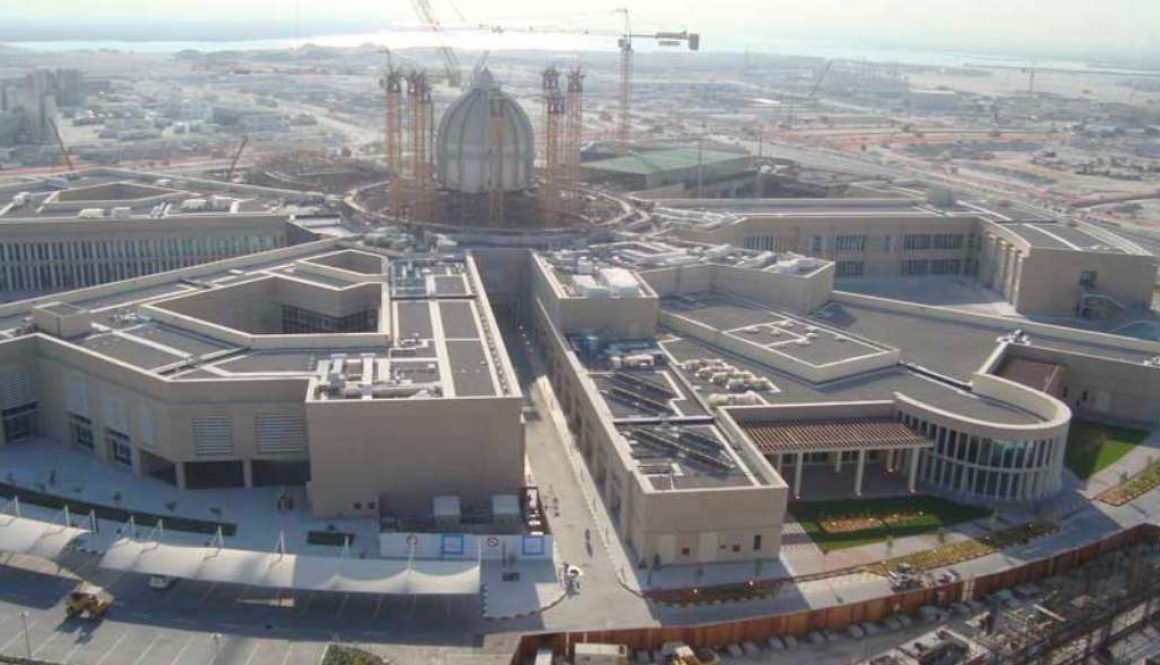
Precast In School And University Developments
Over the last years, the United Arab Emirates (UAE) has deployed considerable efforts to further enhance its educational infrastructure, capitalizing on the richness of the UAE’s population diversity, to offer prestigious and internationally recognized education both for the future regional leaders and for its expatriate population. Gulf Precast, a UAE leader in precast manufacturing, has participated in the construction or refurbishment of twenty three schools and universities since 2000. This article explores why Precast is the construction technology of choice when it comes to school and university developments, and through the case study of the construction of the prestigious Paris Sorbonne University and New York University in Abu Dhabi, analyses difficulties faced and overcome…
Please click on below link to view complete article published in Concrete Plant International Magazine:
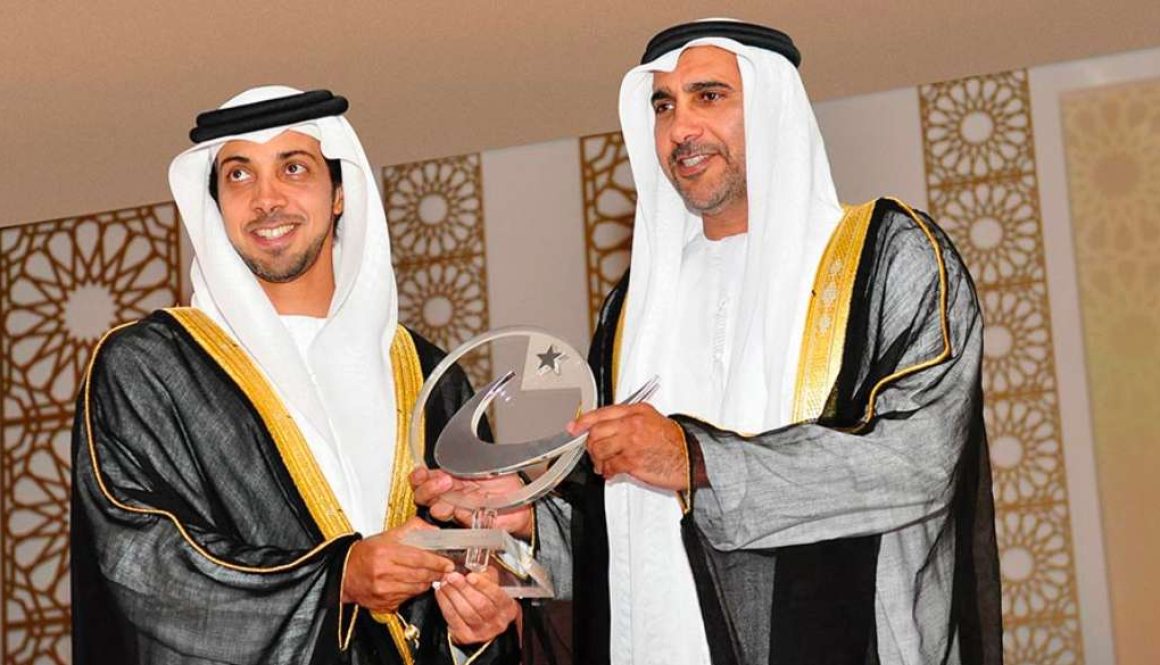
Gulf Precast Wins Sheikh Khalifa Excellence Award (SKEA)
In its 11th cycle, Gulf Precast was awarded with this prestigious distinction in Industrial sector category, at a glittering ceremony held on September 24, 2012.
It was organized by Abu Dhabi Chamber of Commerce and Industry, and was presented by H.H Sheikh Mansour Bin Zayed Al Nahyan, Deputy Prime Minister and Minister of Presidential Affairs.
Held under the patronage of H.H Sheikh Mohammad Bin Zayed Al Nahyan, Abu Dhabi Crown Prince and Deputy Supreme Commander of the UAE Armed Forces, it was first launched in 1999.
It is awarded to companies that have demonstrated superior organizational excellence through a process of rigorous assessment.
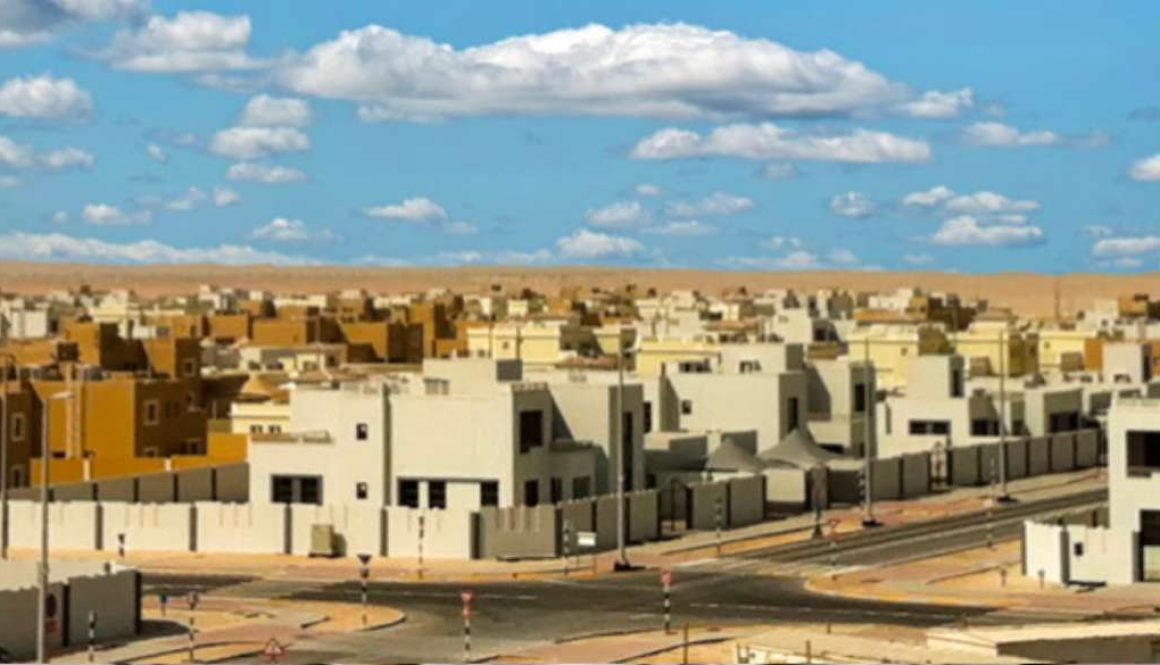
Gulf Precast Completes 2069 Villas Project On Time
Gulf Precast Concrete Company LLC, the largest precast manufacturer in the United Arab Emirates, announces the completion of its 2069 Villas’ Precast project, including 190 kilometres of Boundary Wall, on time. This project is part of the Al Falah Community Development which, when completed, will provide 4,857 villas to Emirati Families, on a 12.5 million square meter area.
Gulf Precast started the manufacturing of Precast Villas for the Al Falah Development in June 2010, and their 190 kilometres of Boundary Wall in October 2010. To sustain the project requirements of 5 villas per day, Gulf Precast produced 319,000 cubic metres of Precast Concrete, 740,350 square metres of Hollowcore Slabs and 7,600,000 kg of GFRC. After less than 2.5 years of work on one of the largest housing projects in the region, Gulf Precast has completed on time the handing over of the precast superstructure works of the 2069 villas.
Sami Saab, Factory Operations Director, recalls: “This project was the largest ever undertaken by Gulf Precast. Not only did it mobilise a significant part of our 6 factories, but in addition we had to install a production facility directly on site. The scope of Gulf Precast included all of the 18 different types of villas of the master development. Due to differences in site ground levels as well as layout specificity of each villa land area, the 94,000 elements of the 190 kilometres of Boundary Wall comprised 11,000 different types of columns and panels.” Rani Talih, Projects Director, commented on the challenges of the erection works: “As all trades were progressing together on site, the logistics coordination was incredibly tricky.
At some point in time, Gulf Precast was operating more than 65 site cranes concurrently. The site erection team received up to 91 trailers sent by our 7 factories on a single day. It was one of the most challenging projects of my career.” Mohamed Abdul Wahid, Gulf Precast’s Quality Control Director, mentioned that “product quality remained a top priority for Gulf Precast throughout the project execution, at every single step of the production, transport and site installation of every single element. The Client’s expectations in term of tolerances exceeded by far those specified in any Precast International Standard.”
Another major focus of the development, both for the Main Contractor and for Gulf Precast, was Environment, Health and Safety considerations. Sean Antonie, EHS Manager for Gulf Precast, recalls that “performance in this regard was not only dependent on the internal performance of each Contractor involved, but also on the constant coordination of all involved parties.”
Elias Seraphim, Chief Executive Officer, concluded that “the talent, experience and commitment of our employees was the corner stone of Gulf Precast’s success in this challenging project, which is one of the most outstanding achievements of our 28 years of service in the UAE construction industry.”
Although Gulf Precast has completed its 2069 villa scope, the company still operates in the Al Falah Community Development, as its noted success has triggered the award of additional scope of work, such a further 90 kilometres of Boundary Wall in a different part of the development, and the production and erection of the Sheikh Khalifa Mosque at sector 8 of the same development, which are currently still on going.
